Decorative Serif: Elevating Brand Identity with Character
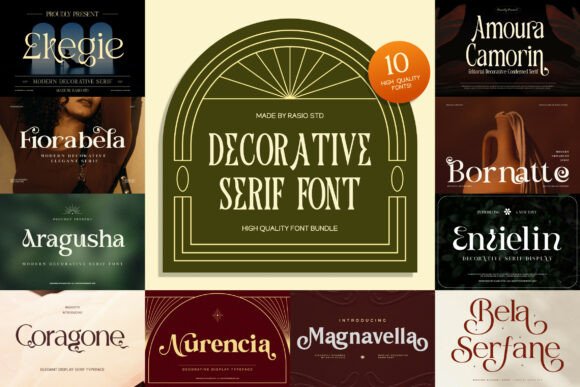
A single typeface can define a brand's entire narrative, and few styles do it with as much timeless elegance as a well-chosen decorative serif. This curated collection of ornamental serif typefaces is designed to inject character, sophistication, and artistic detail into your designs, moving beyond basic utility to become a central element of visual storytelling.
Understanding the Role of Decorative Serif in Modern Design
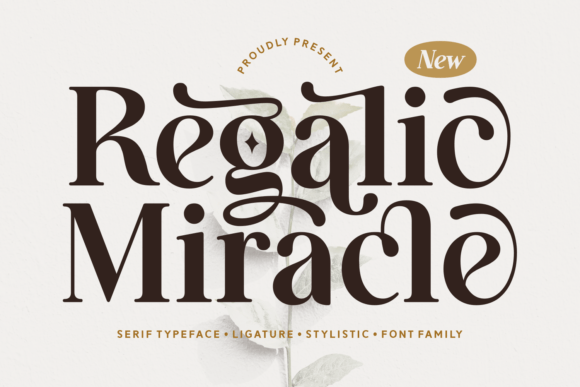
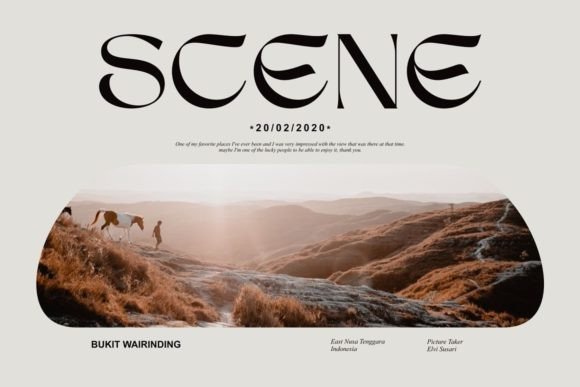
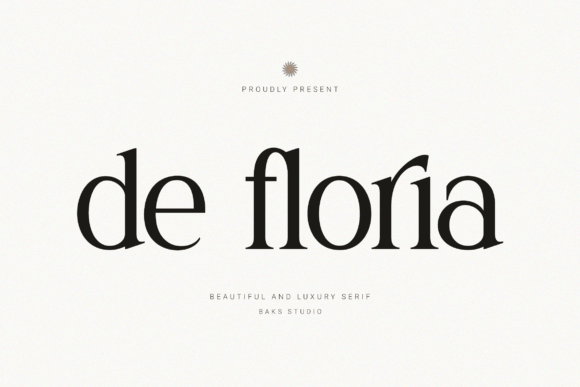
In an era dominated by clean sans-serifs and minimalist aesthetics, the decorative serif makes a powerful counter-statement. It’s not about being outdated; it’s about intentional style. These fonts, inspired by classic typography and vintage aesthetics, feature expressive letterforms with unique personality—think elegant swashes, refined curves, and decorative accents. They are the typographic equivalent of a bespoke suit, offering a level of detail and mood that standard fonts cannot match. For graphic designers, this means access to a rich typographic palette that can instantly communicate heritage, luxury, artistry, or a distinct personality.
Practical Applications: Where Style Meets Strategy
The true value of a decorative serif font bundle lies in its versatile application across numerous creative projects. It’s a strategic asset for any designer or business owner looking to strengthen their visual communication.
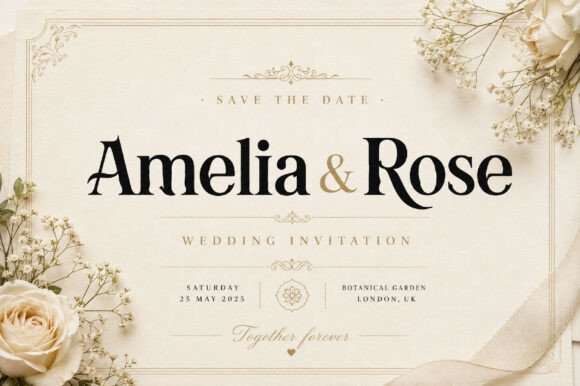
- Branding & Logo Design: A decorative serif can become the cornerstone of a brand identity, especially for businesses in luxury goods, artisanal crafts, boutique hospitality, or high-end services. It conveys quality and attention to detail at first glance.
- Marketing & Social Media Graphics: In the fast-paced world of digital marketing, these fonts help headlines and key messages stand out. They are perfect for creating impactful social media posts, email headers, and promotional banners that demand attention.
- Editorial & Packaging Design: For magazine titles, book covers, and product packaging, a decorative serif adds a layer of sophistication and narrative depth. It can transform a simple label into a story, enhancing the unboxing experience and perceived value.
- Web Design & UI Elements: Used judiciously in hero sections, pull quotes, or specific UI elements, these typefaces can add a touch of elegance to a digital interface, improving the user experience with moments of visual delight.
Tips for Selecting and Using Decorative Serifs Effectively
Integrating such a distinctive element requires a thoughtful approach to maintain clarity and impact. Consider these factors in your design workflow:
- Prioritize Readability: While beautiful, ornate details can hinder legibility at small sizes. Use decorative serifs for display purposes—headlines, titles, logos—and pair them with a highly readable sans-serif or simple serif for body copy.
- Establish Visual Hierarchy: Let the decorative font command the top of your hierarchy. Use it for primary headlines and key phrases to draw the eye, then use more neutral typefaces for supporting information to create a balanced composition.
- Audience and Context: Ensure the font’s character aligns with your audience’s expectations and the project’s goals. A whimsical, swashy serif might suit a creative portfolio but could feel out of place in a corporate financial report.
- Test Across Mediums: Always test your chosen typeface in its intended context—on a website, in print mockups, or as part of a color palette. Check its scalability and how it interacts with other design elements like imagery and white space.
Thoughtful design is about making intentional choices that serve both form and function. Investing in high-quality creative assets like a curated font bundle is an investment in your visual language. It empowers you to craft more compelling, cohesive, and professional presentations that resonate with your audience, turning every design project into an opportunity to communicate with greater clarity and artistic flair.