The Silent Murder: Crafting Unforgettable Horror Visuals
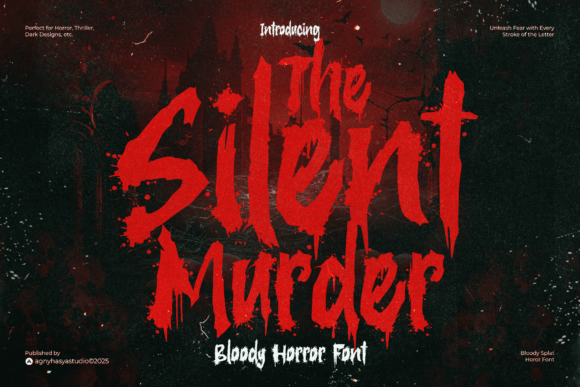
Imagine a typeface that doesn't just spell out words, but drips with the chilling narrative of a midnight crime scene. This is the unsettling power of The Silent Murder, a horror font where every character is splattered with bloody strokes and oozes a visceral sense of dread. In the crowded landscape of graphic design, finding an asset that delivers such immediate and potent emotional impact is rare, making this font a specialized tool for creators aiming to evoke true terror.
Understanding the Design Anatomy
At its core, The Silent Murder is more than just a collection of letters; it is a masterclass in thematic typography. Each glyph is meticulously crafted to resemble fresh crimson drips, creating a visual texture that immediately sets a sinister tone. For a graphic designer, this means the font does most of the heavy lifting in establishing mood. It transforms standard text into a critical component of the visual hierarchy, ensuring that headlines don't just get read—they get felt. This level of detail in a design asset can significantly streamline the creative workflow, reducing the need for extensive post-processing to achieve a specific aesthetic.
Strategic Applications for Maximum Impact
The versatility of a font like The Silent Murder lies in its ability to enhance various creative projects where a horror or thriller aesthetic is paramount. Its application is not limited to one medium but spans the entire spectrum of visual communication.
- Branding & Logo Design: Ideal for creating memorable identities for haunted attractions, escape rooms, indie horror game studios, or October-themed event branding. It instantly communicates the genre.
- Marketing & Advertising: Perfect for social media graphics promoting a horror film release, slasher movie posters, or thriller novel covers. It creates scroll-stopping visuals in digital marketing campaigns.
- Editorial & Packaging Design: Can be used for chapter titles in horror anthologies, special edition book covers, or even packaging for niche products like themed hot sauces or Halloween merchandise, adding a layer of immersive storytelling.
- Digital Products & UI Design: When used judiciously—for instance, in the title screen of a horror video game or a featured banner on a themed website—it can dramatically enhance user experience and engagement by setting the correct mood from the first interaction.
Typography as a Storytelling Device
In modern graphic design, typography is a primary vehicle for brand identity and emotional resonance. Choosing a typeface like The Silent Murder is a deliberate creative decision that aligns visual design with narrative intent. It demonstrates an understanding that every element, from color palette to letterform, contributes to a cohesive and professional presentation. However, its power demands thoughtful application. Overuse can dilute its effect or compromise readability. The key is to use it for high-impact moments—main titles, key logos, or accent text—while pairing it with a clean, legible sans-serif or serif font for body copy to maintain a clear visual hierarchy.
Tips for Effective Implementation
- Context is King: Ensure the font aligns with the project's audience expectations and goals. It’s perfect for slasher branding but would be inappropriate for a corporate wellness report.
- Contrast and Readability: Always test the font at various sizes and against different backgrounds. Its intricate details require sufficient size and contrast to remain legible, especially in web design or UI where clarity is crucial.
- Strategic Pairing: Combine it with simpler fonts to create balance. This maintains the sinister edge while ensuring the overall design remains functional and accessible.
- File Compatibility: Check the font's licensing and file formats to ensure it integrates smoothly into your existing design workflow, whether for print design or digital platforms.
Ultimately, the value of a distinctive creative asset like The Silent Murder is measured by its ability to solve a specific design challenge. It provides a direct pathway to a powerful, niche aesthetic, saving time and amplifying visual impact. In the realm of horror and thriller design, where mood is everything, such a tool is not just an asset—it’s an essential component of effective visual storytelling. Thoughtful selection and skilled application of these resources are what separate good design from unforgettable, professional-grade work that truly communicates and captivates.