Thin Typewriter Font: A Vintage Design Asset
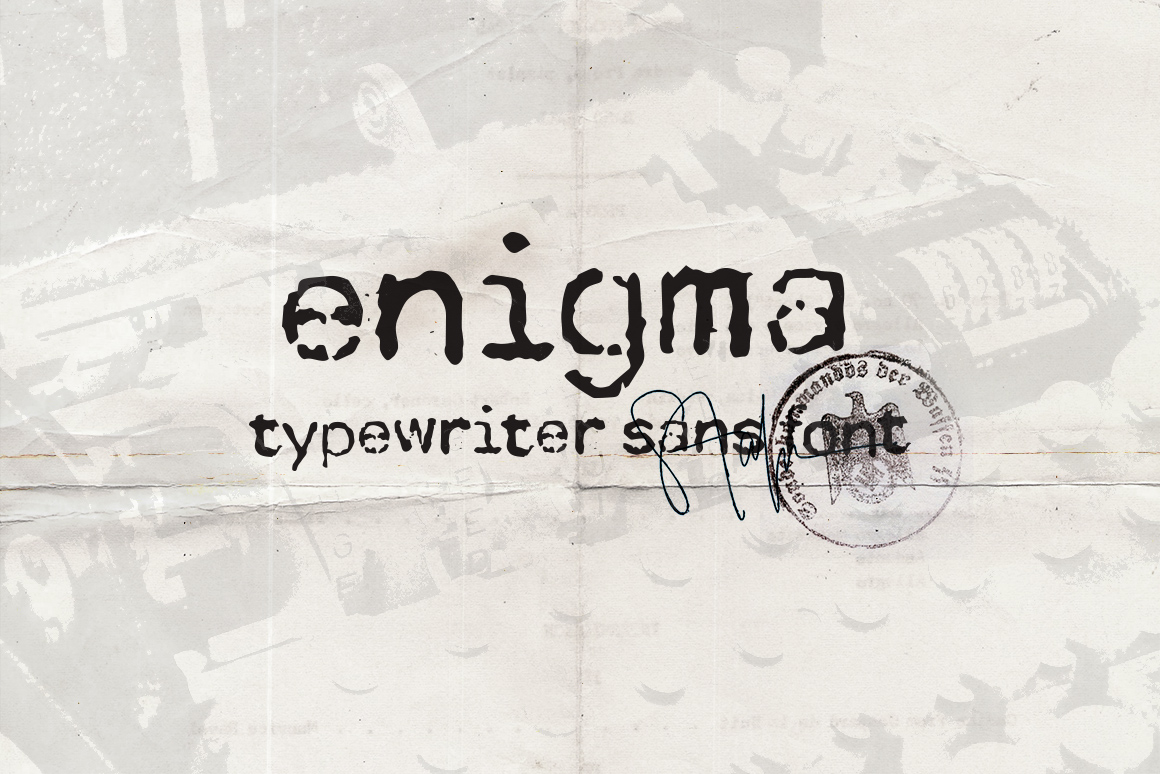
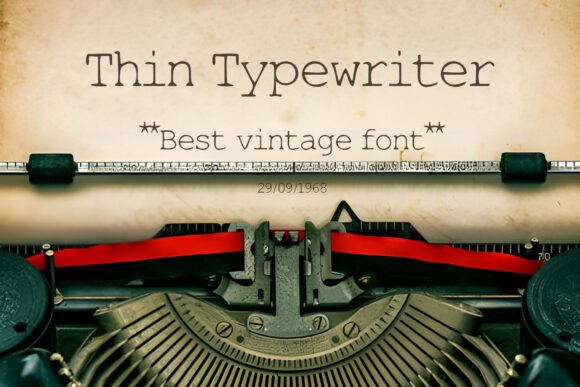
In a digital world saturated with sleek sans-serifs and perfect vectors, the Thin Typewriter font offers a powerful antidote: instant character and nostalgic authenticity. This distressed typeface isn't just a set of letters; it's a creative tool designed to inject a tangible, historical feel into your projects. By mimicking the imperfect, mechanical charm of classic retro typewriters, it serves as a bridge between modern design needs and a timeless, handmade aesthetic.
Why This Vintage Typeface Matters in Modern Design
Effective visual communication hinges on evoking the right emotion. While clean, minimalist fonts excel in clarity, they can sometimes lack personality. The Thin Typewriter font fills this gap. Its grunge texture and slightly uneven baselines tell a story, making it invaluable for projects that require a human touch. In branding, it can instantly position a company as artisanal, historic, or creatively rebellious. For designers, it’s a versatile asset that adds depth and context without overwhelming a layout, proving that strategic imperfection can be a hallmark of sophisticated design.
Practical Applications for Creative Projects
The true value of a resource like the Thin Typewriter lies in its adaptability across various design disciplines. Its rustic serif style is compatible with major software like Adobe Creative Suite and Canva, integrating seamlessly into professional workflows.
- Branding & Logo Design: Create distinctive logos for craft breweries, vintage shops, bookstores, or artisanal coffee brands. The font establishes an immediate connection to tradition and quality craftsmanship.
- Marketing & Social Media: Design eye-catching posters, flyers, and social media graphics that stand out. Use it for headlines in Instagram stories or Facebook ads to evoke curiosity and nostalgia, boosting engagement.
- Editorial & Web Design: Ideal for magazine layouts, blog headers, and website hero sections, especially for themes related to history, literature, or steampunk. It pairs beautifully with a clean body font to create a strong visual hierarchy.
- Packaging & Merchandise: Elevate product packaging, labels, and merchandise with an authentic, vintage feel. It’s perfect for stationery, apparel, and any physical product where a tactile, historical impression is desired.
- Digital Products & Presentations: Add a unique flair to digital downloads, e-book covers, or slide decks. It can make presentations more memorable and align digital content with a specific, engaging narrative.
Tips for Effective Typographic Implementation
Integrating a specialty font like Thin Typewriter requires thoughtful execution to maintain professionalism and readability. Consider these factors when applying it to your work:
- Context is Key: Ensure the font’s vintage character aligns with your project's message and target audience. It’s exceptionally effective for historical, creative, or niche markets but may not suit ultra-modern, corporate contexts.
- Prioritize Readability: The distressed texture is best used for headlines, logos, or short phrases. For body text, pair it with a highly legible sans-serif or serif font to ensure clear communication and a good user experience.
- Maintain Visual Hierarchy: Use the Thin Typewriter selectively to draw attention. Let it dominate a key headline or logo element while supporting it with more neutral fonts for secondary information. This creates balance and guides the viewer’s eye.
- Consider Scalability: Test the font at various sizes. While it shines in larger displays, ensure its details remain coherent when scaled down for smaller applications like business cards or UI elements.
- Harmonize with Other Elements: Complement the font with a cohesive color palette, imagery, and layout. Muted tones, aged paper textures, and minimalist compositions can enhance its rustic charm without creating visual clutter.
Ultimately, the Thin Typewriter font is more than a decorative element; it is a strategic creative asset. By consciously selecting typography that embodies specific qualities—history, texture, personality—you fundamentally strengthen your brand identity and visual storytelling. In a competitive landscape, these thoughtful design choices are what transform good projects into great ones, ensuring your work not only looks polished but also communicates with depth and resonance. Quality assets like this empower you to craft a more compelling and professional visual narrative.